APKO: business process automation consulting and implementation
Official Odoo and Creatio partner in Uzbekistan. Explore all our platforms and services below.
year founded
technology partners
completed automation projects
Technology
Platforms we work with
Our core business app platforms are Odoo and Creatio, with an open portfolio for additional automation vendors.
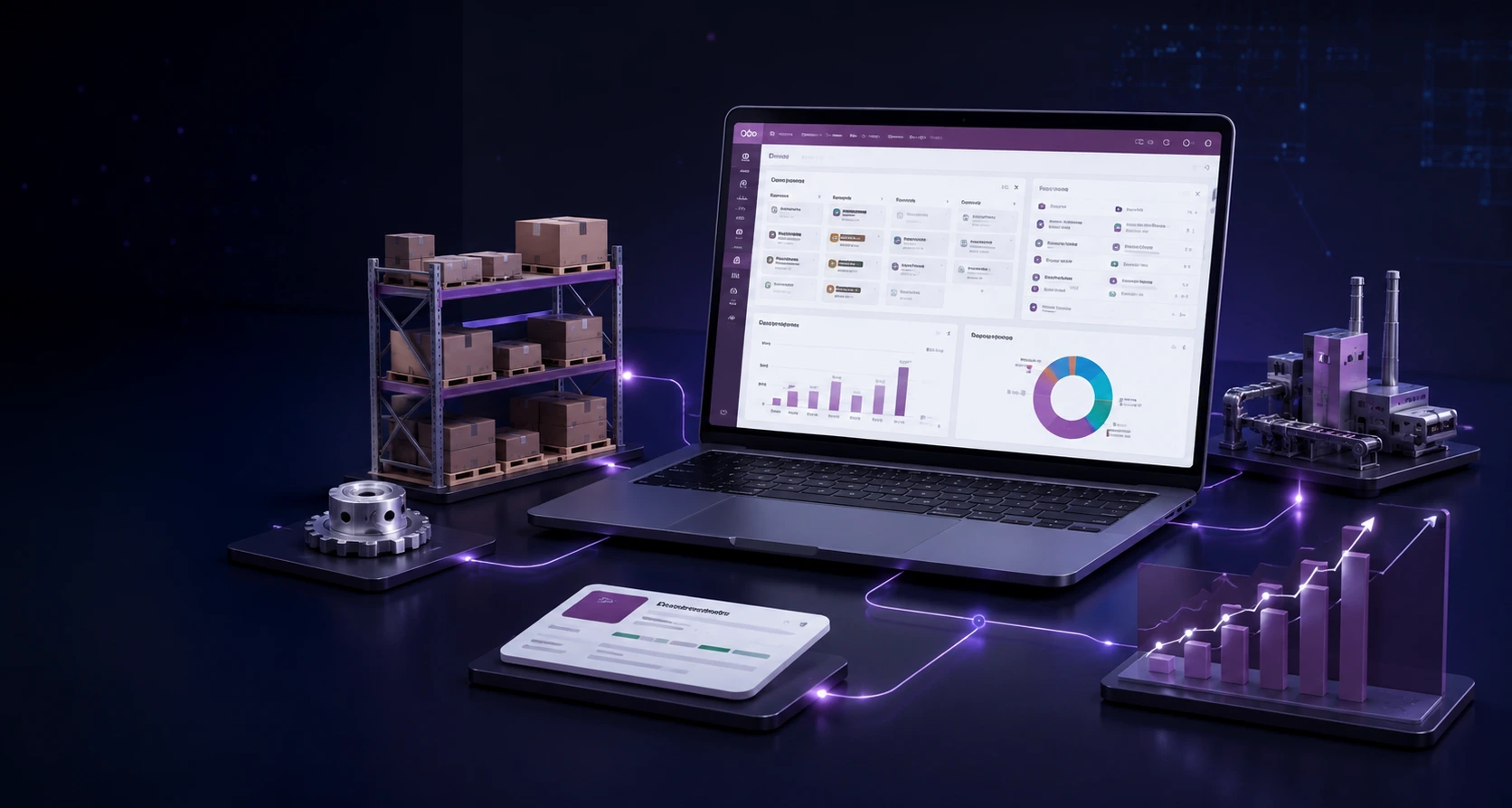
One system for sales, inventory, manufacturing, finance, and HR. We implement and configure Odoo Enterprise (ERP) under a partner license.
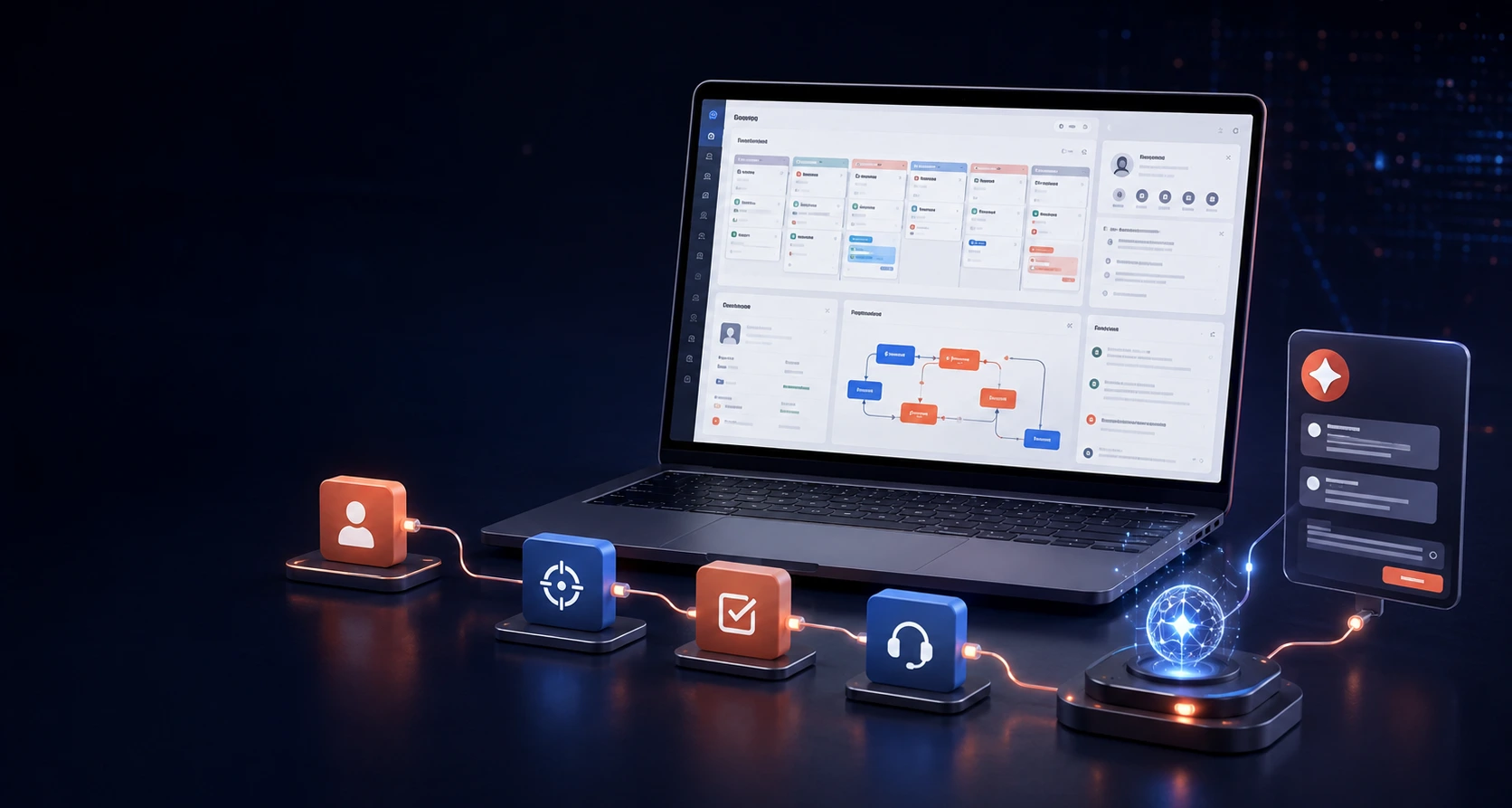
A business process, sales, and customer service platform (BPM/CRM) with flexible no-code configuration and intelligent AI assistants.
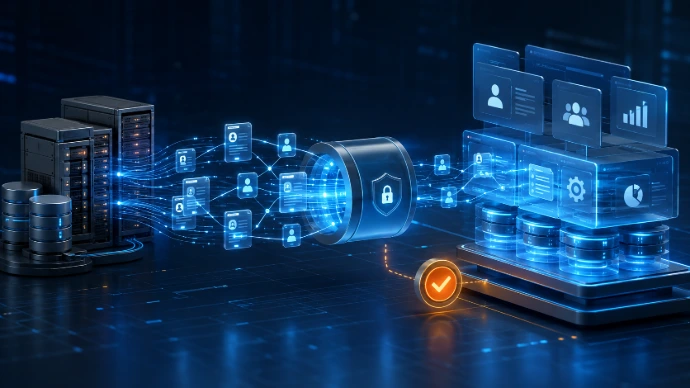
We support existing customers' IT infrastructure and security, from monitoring and networks to data protection and vulnerability remediation.
OUR MISSION
Resilient digital systems for management, growth, and adaptation
We are building a new generation of systems integrator with strong methodology, an open platform portfolio, and full-cycle delivery from process audits to post-launch support. We use technology to solve business problems.
business process automation and enterprise management systems
information protection and cyber resilience
IT infrastructure development as a resilient business foundation
A strategic approach
Solutions form the foundation of company management architecture and address business needs end to end.
Industry expertise
We work with banking, manufacturing, distribution, and government, where methodology and reliability matter.
Multivendor support
Our platform portfolio is open: we choose ERP/BPM solutions around business needs and continue expanding our offering.
Turnkey implementation and consulting
One team from process and architecture audits through configuration, integrations, and support.
Who does the work
Methodology and platforms, delivered by real people.
Certification
Business analysts complete official Odoo vendor certification before joining a customer project.
Learning and growth
Learning is an ongoing part of the job, covering new platform versions, modules, and implementation practices.
Presence
Our Tashkent office works in your time zone for fast, local communication.
Why our approach goes beyond configuration
Most ERP/BPM implementations fail because of unclear processes and poor user adoption. We therefore apply five frameworks in sequence: BPM Lifecycle and BPMN 2.0 for analysis and design, Agile for development, UAT as a mandatory acceptance gate, and ADKAR for rollout and user adoption. Below, we explain how each works in practice at its project stage.
Analysis and planning
We audit AS-IS processes, business goals, and constraints, then define project scope and success criteria.
BPM Lifecycle starts by understanding the entire process before changing it. Without this step, isolated fixes often address symptoms rather than root causes.
Design and architecture
We design TO-BE processes and solution architecture before configuration begins.
TO-BE processes use BPMN 2.0 as a shared business and developer language, aligning departments and contractors on the intended workflow.
Specification development and approval
We agree on specifications, then configure and develop in short iterations with demonstrations.
Agile iterations replace a big-bang rollout: the customer reviews and accepts results every few weeks instead of only once at the end of a year-long project.
Implementation and integration
We deploy to the target environment, configure integrations, and migrate data.
Integrations form part of the overall architecture, making ongoing system development easier than a collection of disconnected connections.
Testing and optimization
Functional and user acceptance testing before go-live.
UAT is a mandatory go-live gate: the customer's actual users accept the system alongside the implementation team.
Support and development
User adoption through change management, SLA-based support, and ongoing solution development.
ADKAR: awareness, desire, knowledge, ability, and reinforcement. Even a well-configured system cannot deliver results unless people change how they work.
Who we work with
Our customers are midsize and large companies in Uzbekistan with connected departments: banks, manufacturers, distributors, retailers, and government organizations. Decisions are often made by committees, making a predictable methodology and clear steps as important as the outcome.
You have connected processes or departments spread across spreadsheets, folders, and separate apps, and want visibility across the whole business.
You are ready to involve employees in change, provide training, and explain its purpose so they can adopt the system confidently.
Decisions involve several people or a committee, so you need a clear methodology that can be explained and justified internally.
Your business is growing faster than manual processes and Excel can handle. You need a system that supports growth and will continue meeting your needs beyond the next year.
You work in banking, manufacturing, distribution, or government, where methodology, process predictability, and audit readiness matter.
You need a turnkey solution, with one team handling the audit, configuration, integrations, and support from start to finish.
You can start with an MVP (minimum viable product): a complete solution for one process or department, such as sales and CRM. This delivers early results, tests the methodology in practice, and provides real data for deciding what to add next. Many customers start in one area and expand as the business grows.









Frequently asked questions
How much does implementation cost?
Cost depends on scope and delivery model. Defined work is priced during Discovery & Scoping before development. Work that cannot be estimated upfront, such as ongoing enhancements and support, uses team hourly rates. Odoo and Creatio licenses are priced separately from implementation services.
How long does a typical project take?
It depends on scale and process scope. Timelines are agreed during Discovery & Scoping before development begins. Agile iterations during Build & Sign-off make early results visible throughout delivery.
Can you deliver without an in-house IT department?
Yes. We handle the entire lifecycle: audit, configuration, integrations, and support. The business provides a contact person for approvals, without needing a dedicated IT team.
How do Odoo and Creatio differ, and which suits us?
The platforms serve different needs. Odoo is an operational ERP connecting sales, inventory, manufacturing, finance, and HR. Creatio is a no-code BPM/CRM platform for processes and customer engagement. We determine the best fit together during Discovery & Scoping.
Will you migrate data and integrate our existing systems?
Yes. We migrate data and integrate the systems your business already uses, most often 1C, online banking, websites, or telephony. Scope and complexity are defined during Discovery & Scoping. Some connections are straightforward; others need more design work. Integration is a standard part of the project.
Will you customize the system if standard features are insufficient?
Yes. We extend the system where standard functionality cannot meet your processes. Configuration comes first because it is faster to implement and easier to maintain. We use custom development only where the requirement justifies it.
How do you ensure employees actually use the system?
System deployment and change adoption require different work. In the final stage, we apply ADKAR: training users, explaining the purpose, and reinforcing new practices alongside configuration handover.
What happens after launch: do you simply hand over the system?
No. SLA-based support continues after launch, and the system keeps evolving with the business.