
For midsize businesses
One system for core midsize business processes
Odoo capabilities for everyday work
- Connected apps for CRM, sales, purchasing, inventory, projects, and financial documents
- Configure roles, stages, and workflows around company processes
- Standard platform capabilities with justified customization where needed
- Phased implementation with new apps added as the business grows
Small companies juggle customers, orders, purchasing, stock, tasks, and payments. Separate programs and spreadsheets lead to duplicate entry and reconciliation. Odoo brings core operations into connected apps and a unified workspace.
Projects start by reviewing current processes. We identify priorities, roles, documents, and data sources, then select Odoo apps that match the agreed scope.
Standard platform capabilities form the foundation. Configuration, integrations, and development are used only where a specific business requirement needs them. This controls complexity and simplifies ongoing maintenance.
Project scope may include app configuration, reference data preparation, imports, workflow testing, and training. Launch timing follows agreement on features, data readiness, integrations, and customer team availability.
After launch, the system can expand gradually with apps, users, reports, and automation. APKO supports Odoo and helps plan changes around actual business needs.
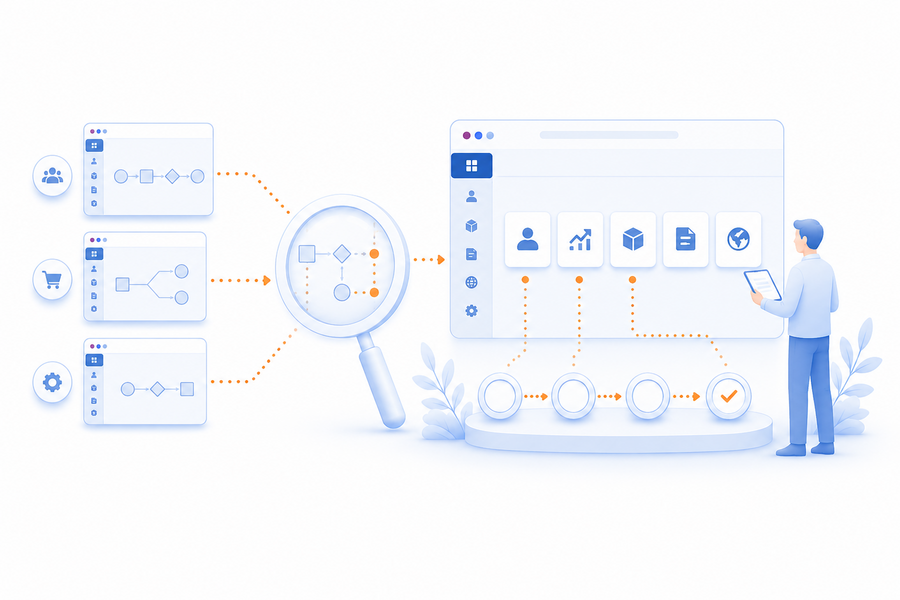
Small companies juggle customers, orders, purchasing, stock, tasks, and payments. Separate programs and spreadsheets lead to duplicate entry and reconciliation. Odoo brings core operations into connected apps and a unified workspace.
Projects start by reviewing current processes. We identify priorities, roles, documents, and data sources, then select Odoo apps that match the agreed scope.
Standard platform capabilities form the foundation. Configuration, integrations, and development are used only where a specific business requirement needs them. This controls complexity and simplifies ongoing maintenance.
Project scope may include app configuration, reference data preparation, imports, workflow testing, and training. Launch timing follows agreement on features, data readiness, integrations, and customer team availability.
After launch, the system can expand gradually with apps, users, reports, and automation. APKO supports Odoo and helps plan changes around actual business needs.
A structured Odoo implementation for small businesses
Implementation begins by identifying the highest-priority needs. This determines the right app selection and keeps unused features out of the initial project.
During discovery, we analyze workflows, employee roles, documents, reference data, and existing systems. The findings define the target model, project scope, and delivery sequence.
Standard apps and settings form the foundation. Additional fields, automations, integrations, and development are assessed separately and added after agreeing on value and maintenance impact.
Before launch, key scenarios are tested with responsible employees. Required data is prepared and loaded, users are trained, and findings are addressed before everyday work begins. Implementation scope and duration depend on agreed requirements and company readiness for change.
Phased Odoo implementation for midsize businesses
Implementation begins by identifying the highest-priority needs. This determines the right app selection and keeps unused features out of the initial project.
During discovery, we analyze workflows, employee roles, documents, reference data, and existing systems. The findings define the target model, project scope, and delivery sequence.
Standard apps and settings form the foundation. Additional fields, automations, integrations, and development are assessed separately and added after agreeing on value and maintenance impact.
Before launch, key scenarios are tested with responsible employees. Required data is prepared and loaded, users are trained, and findings are addressed before everyday work begins. Implementation scope and duration depend on agreed requirements and company readiness for change.
An intuitive interface for daily operations
Odoo workspaces combine installed apps and permissions. Users see authorized sections, documents, and actions, with connected customer, order, product, invoice, and task data that avoids duplicate transfer.
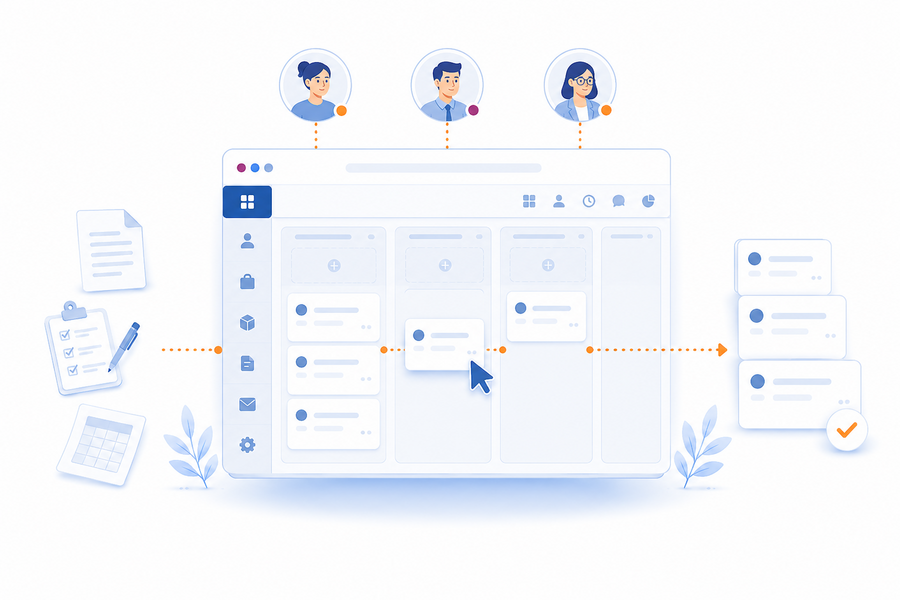
An intuitive interface for daily operations
Odoo workspaces combine installed apps and permissions. Users see authorized sections, documents, and actions, with connected customer, order, product, invoice, and task data that avoids duplicate transfer.
Project management and resource planning
We configure project management around your company's structure and processes. Projects can be linked to sales, timesheets, expenses, and financial documents. After launch, we refine the configuration based on user feedback and new business needs.
Project management and resource planning
We configure project management around your company's structure and processes. Projects can be linked to sales, timesheets, expenses, and financial documents. After launch, we refine the configuration based on user feedback and new business needs.
Optimize business processes with Odoo
Moving to a new system is an opportunity to review processes, identify repetitive manual work, and assess which stages are necessary.
After target model approval, we configure Odoo stages, owners, permissions, document rules, and notifications. Connected apps reduce duplicate entry and make interdepartmental data flow more consistent.
The financial impact of automation
Assess implementation against agreed metrics such as order processing time, manual steps, errors, reporting speed, inventory health, or workloads.
Actual results depend on scope, data quality, user involvement, and adherence to new practices. Phased implementation automates priorities first, measures results, and then expands functionality.
Configure Odoo for specific tasks
We map requirements to standard Odoo apps. Changes can use settings, Studio, integrations, or modules. Each customization is assessed for value, cost, upgrade impact, and maintenance before implementation.
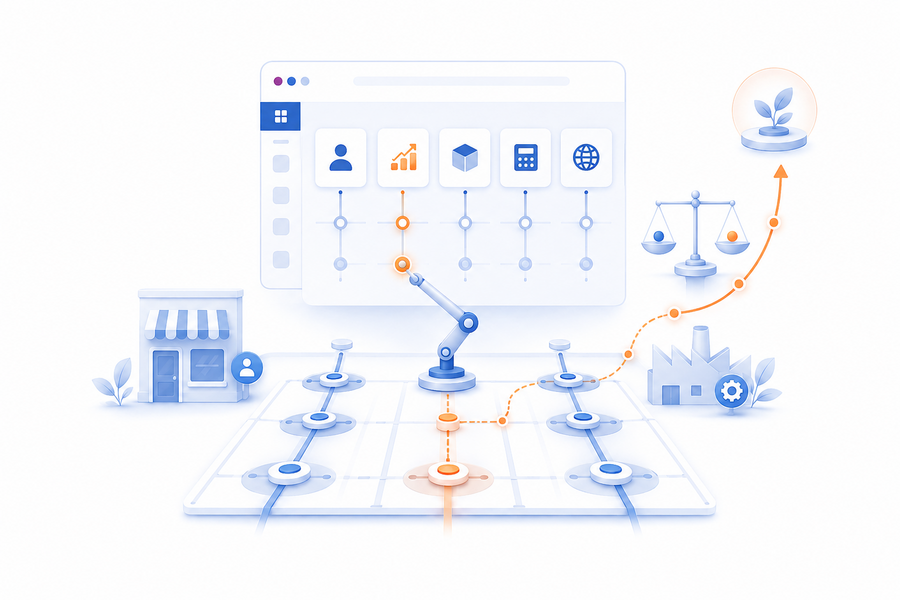
Configure Odoo for specific tasks
We map requirements to standard Odoo apps. Changes can use settings, Studio, integrations, or modules. Each customization is assessed for value, cost, upgrade impact, and maintenance before implementation.
Flexibility and system development as your business grows
Odoo's modular structure lets you start with the apps you need today and add new areas gradually. Users, warehouses, processes, reports, and integrations can be added as the business grows without replacing the platform.
System expansion must consider architecture, data quality, and customization compatibility. APKO analyzes requirements, recommends implementation, tests changes, and documents decisions to keep Odoo manageable as it evolves.