
Defining the do-it-yourself model
The Do-It-Yourself (DIY) model is a foundational approach to no-code projects described in the No-Code Playbook. It suits small, agile teams that want to build and deploy no-code apps quickly with limited dependence on external IT specialists or development resources. Business teams control projects from concept to deployment, addressing their needs quickly and efficiently.
When to use the do-it-yourself model
The DIY model is best suited to:
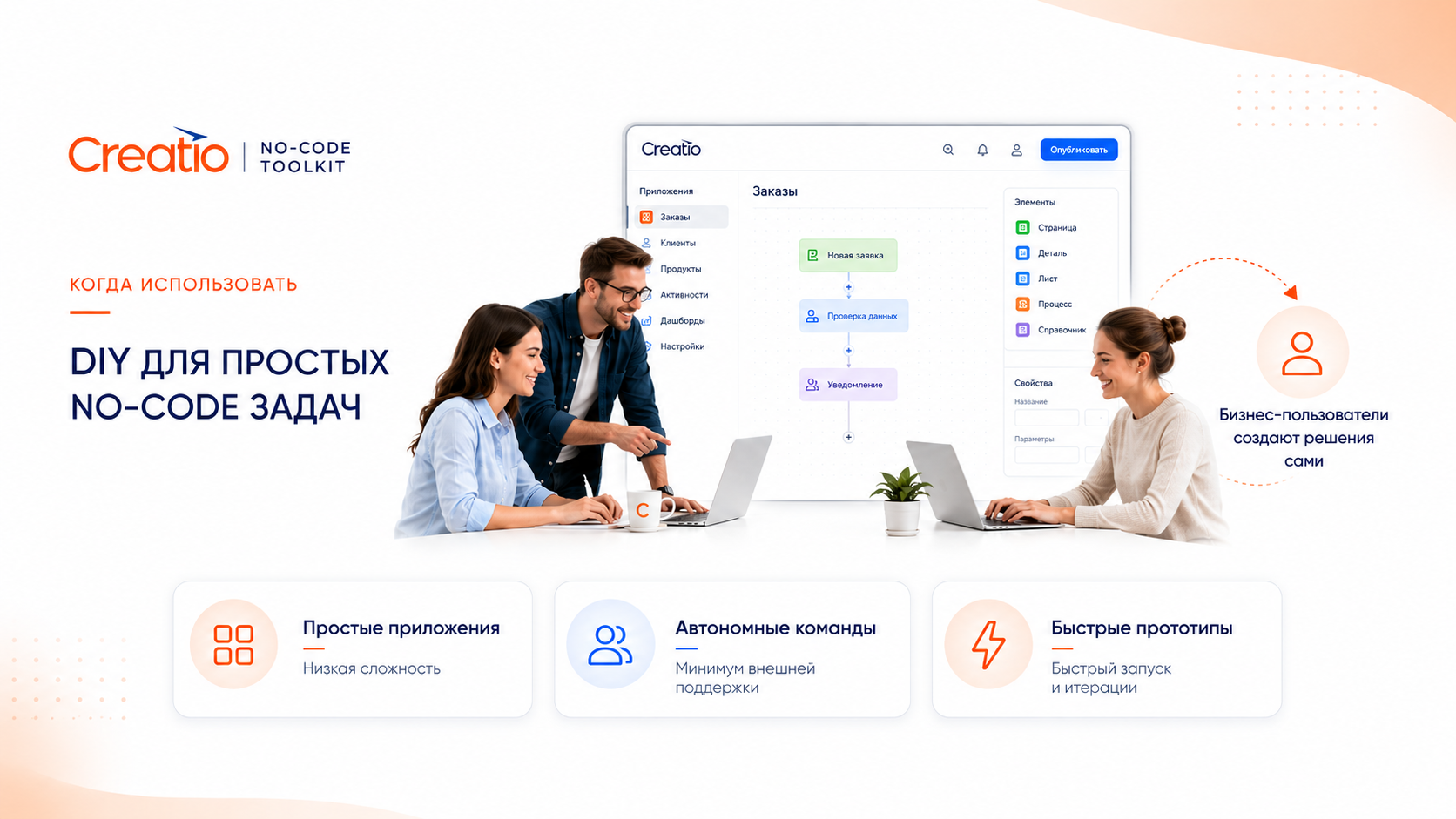
Small, straightforward applications that a business team can manage with minimal external involvement.
Independent business units with clearly defined needs and a focus on rapid development.
Projects where business users with no coding skills can build and launch no-code apps independently without constant IT involvement.
This model suits companies needing fast prototypes, testing, and refinement, particularly where time to market is critical or technical complexity is limited.
When to use the do-it-yourself model
The DIY model is best suited to:
Small, straightforward applications that a business team can manage with minimal external involvement.
Independent business units with clearly defined needs and a focus on rapid development.
Projects where business users with no coding skills can build and launch no-code apps independently without constant IT involvement.
This model suits companies needing fast prototypes, testing, and refinement, particularly where time to market is critical or technical complexity is limited.
Key capabilities
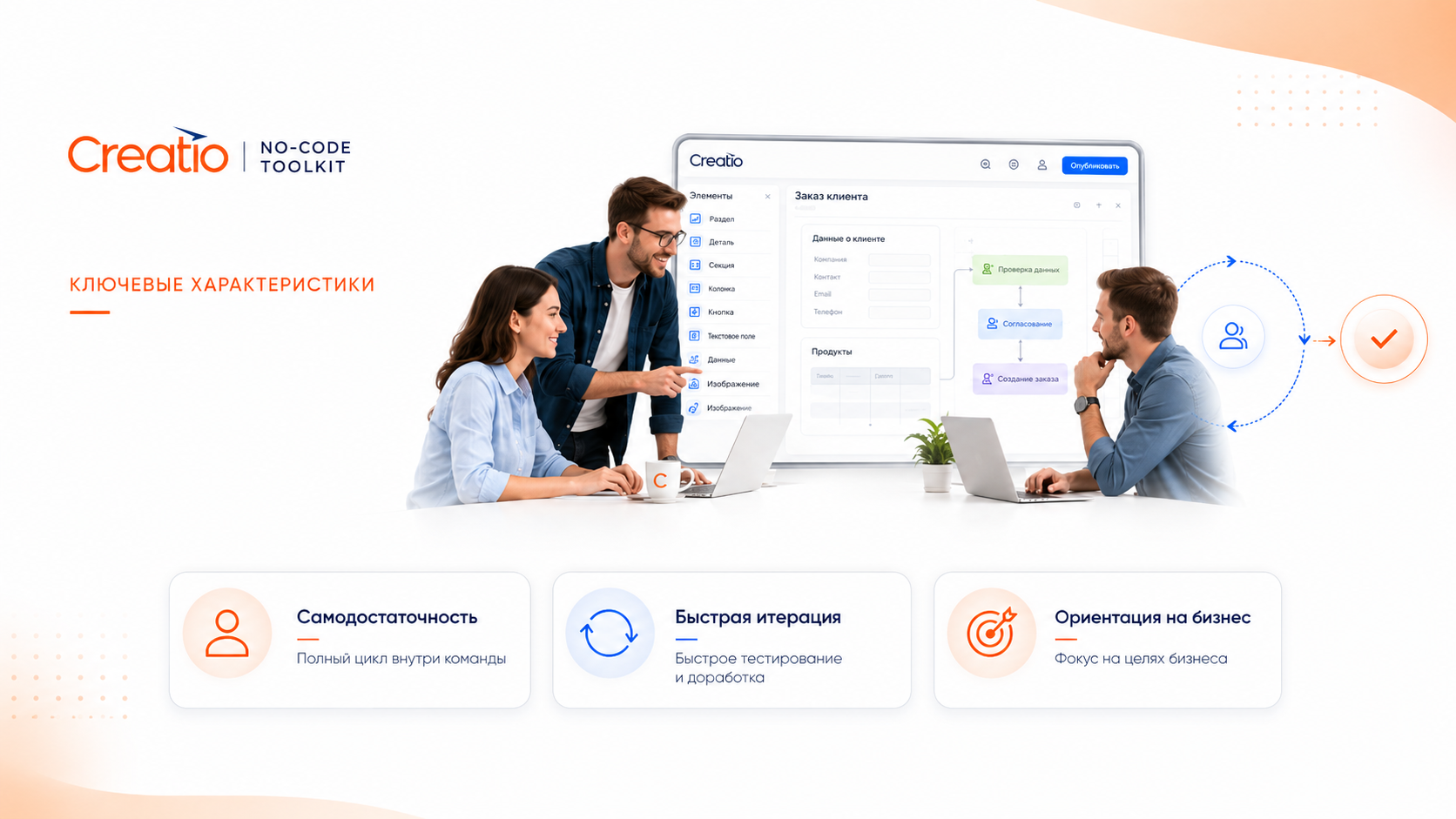
Self-sufficiency: the business unit owns the project from requirements gathering to deployment, minimizing reliance on IT specialists or external developers.
Rapid iteration: develop, test, and refine applications quickly through close collaboration within the project team.
Business focus: Projects are driven primarily by business needs and goals, with technical specialists involved when required.
Key capabilities
Self-sufficiency: The business unit owns the project from requirements gathering to deployment, minimizing reliance on IT specialists or external developers.
Rapid iteration: Develop, test, and refine applications quickly through close collaboration within the project team;
Business focus: Projects are driven primarily by business needs and goals, with technical specialists involved when required.
Typical roles in the do-it-yourself model
In the DIY development model, key roles are mainly assigned within the business team, which takes responsibility for the entire project lifecycle. Typical roles include:
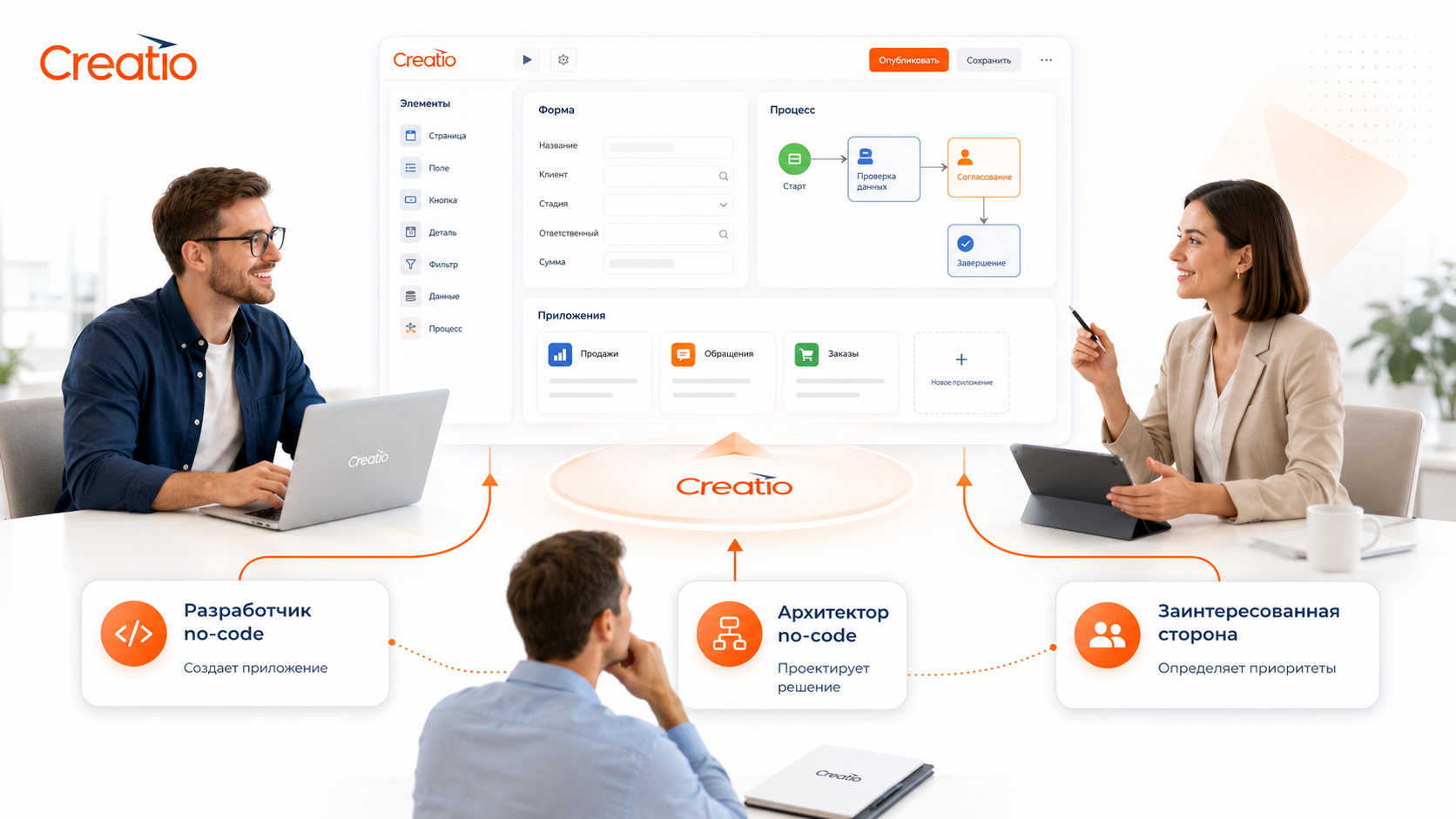
No-code developer: the person responsible for building the no-code application. Often a business user or citizen developer, they understand both the platform and business needs well enough to create and refine the solution.
No-code architect: a role with broader responsibility for strategic oversight and alignment with business processes and objectives. The business architect guides design decisions and integrates the no-code application with existing systems and workflows.
No-code project stakeholder: usually an executive or manager who ensures the project supports strategic business goals. The stakeholder sets direction and makes key decisions, such as prioritizing features or approving the final solution for deployment.
Typical roles in the do-it-yourself model
In the DIY development model, key roles are mainly assigned within the business team, which takes responsibility for the entire project lifecycle. Typical roles include:
No-code developer: the person responsible for building the no-code application. Often a business user or citizen developer, they understand both the platform and business needs well enough to create and refine the solution.
No-code architect: a role with broader responsibility for strategic oversight and alignment with business processes and objectives. The business architect guides design decisions and integrates the no-code application with existing systems and workflows.
No-code project stakeholder: usually an executive or manager who ensures the project supports strategic business goals. The stakeholder sets direction and makes key decisions, such as prioritizing features or approving the final solution for deployment.
Best practices
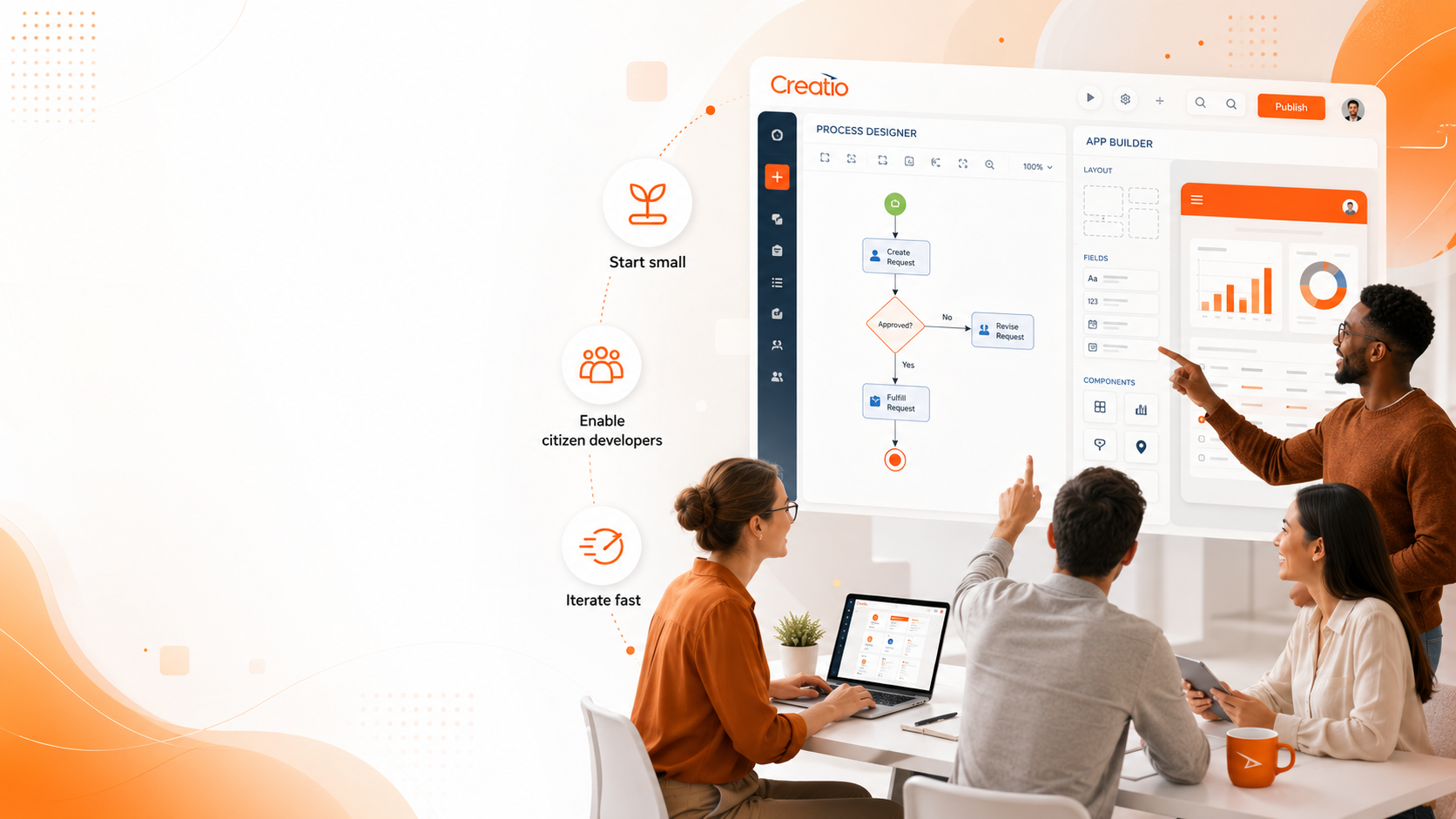
Start small: use the do-it-yourself model for small projects or prototypes to validate ideas before scaling.
Empower business users: Ensure business users receive the training and support they need to succeed with the no-code platform.
Make changes quickly: Use the rapid development capabilities of no-code platforms to continually improve your application based on feedback.
The do-it-yourself model is an effective approach for teams that need speed, flexibility, and direct control over no-code projects.