Infrastructure and cybersecurity
We design, implement, and maintain IT infrastructure and information security as a unified system, with a shared architecture, observability, risk management, and clear responsibilities.
Infrastructure and cybersecurity
We design, implement, and maintain IT infrastructure and information security as a unified system, with a shared architecture, observability, risk management, and clear responsibilities.
Infrastructure you can rely on
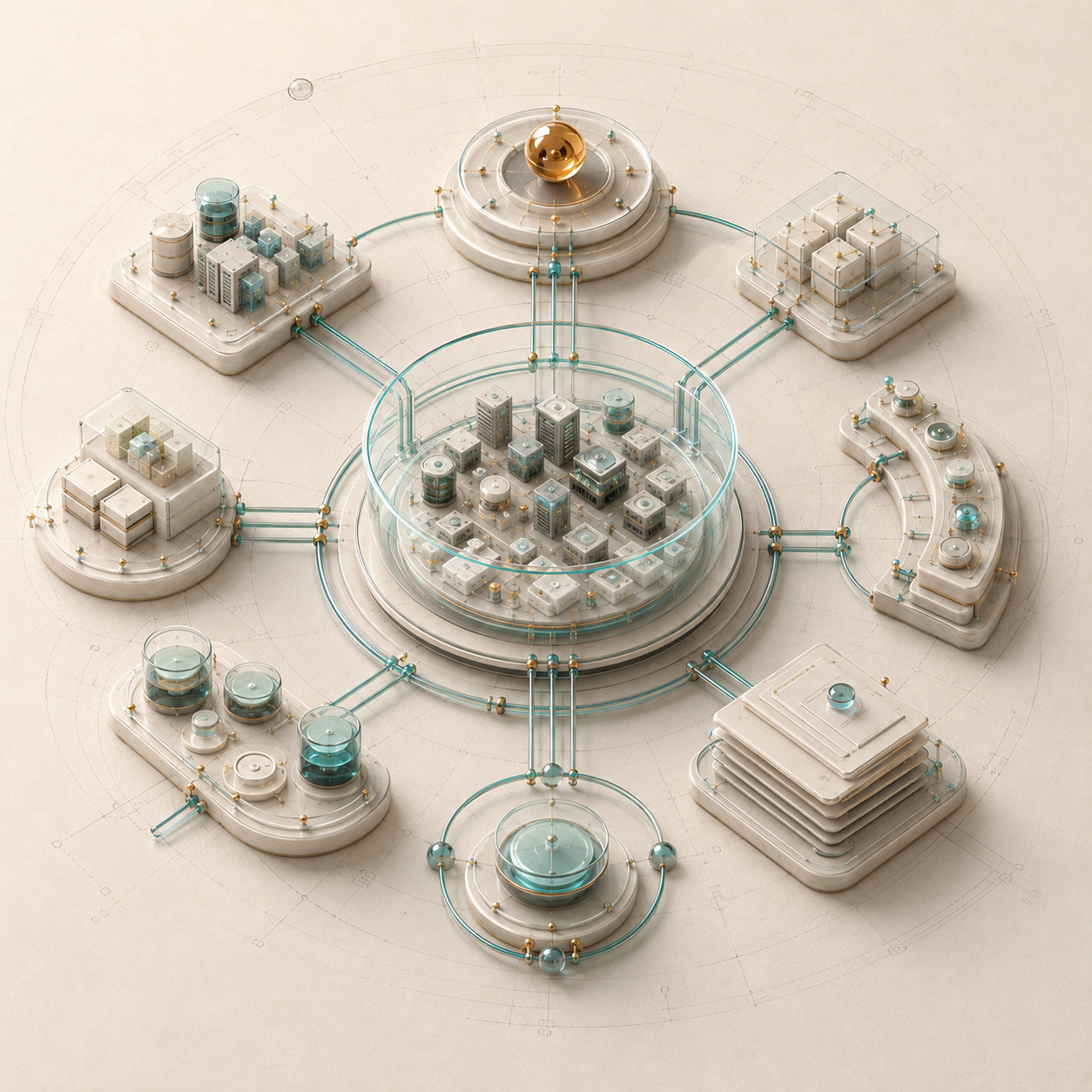
We build the technical foundation for reliable business services, providing visibility, automating operations, protecting against data loss, and managing resources throughout their lifecycle.

Monitoring and observability
Continuously monitor networks, servers, applications, and cloud services. Combine metrics, logs, and traces into one view to spot anomalies before they affect the business.
IT OPERATIONS AND AUTOMATION
Automate routine IT tasks, event handling, and response playbooks. Reduce manual work, resolve incidents faster, and follow procedures more consistently.
Backup and recovery
Backup policies, success monitoring, recovery testing, and BCDR plans aligned with system criticality and RPO/RTO targets.

Data networks
Design and development of office, branch, and industrial networks, with managed connectivity for users, devices, and corporate systems.
IT ASSET MANAGEMENT
Unified hardware, software, and license tracking from purchasing and commissioning to maintenance, transfers, and retirement.

DATA STORAGE AND VIRTUALIZATION
Storage and virtualization aligned with actual workloads, availability needs, and growth, balancing performance, resilience, and total cost of ownership.
Infrastructure you can rely on
We build the technical foundation for reliable business services, providing visibility, automating operations, protecting against data loss, and managing resources throughout their lifecycle.
Monitoring and observability
Continuously monitor networks, servers, applications, and cloud services. Combine metrics, logs, and traces into one view to spot anomalies before they affect the business.
IT OPERATIONS AND AUTOMATION
Automate routine IT tasks, event handling, and response playbooks. Reduce manual work, resolve incidents faster, and follow procedures more consistently.
Backup and recovery
Backup policies, success monitoring, recovery testing, and BCDR plans aligned with system criticality and RPO/RTO targets.
Data networks
Design and development of office, branch, and industrial networks, with managed connectivity for users, devices, and corporate systems.
IT ASSET MANAGEMENT
Unified hardware, software, and license tracking from purchasing and commissioning to maintenance, transfers, and retirement.
DATA STORAGE AND VIRTUALIZATION
Storage and virtualization aligned with actual workloads, availability needs, and growth, balancing performance, resilience, and total cost of ownership.
Two areas, one result
Infrastructure and security services can be implemented separately, but deliver the greatest value when they share architecture, consistent data, and common response and recovery processes.
Infrastructure and operations
A reliable foundation for users, apps, data, and distributed sites.
Cybersecurity
Access, vulnerability, threat, and critical data protection across the IT environment.
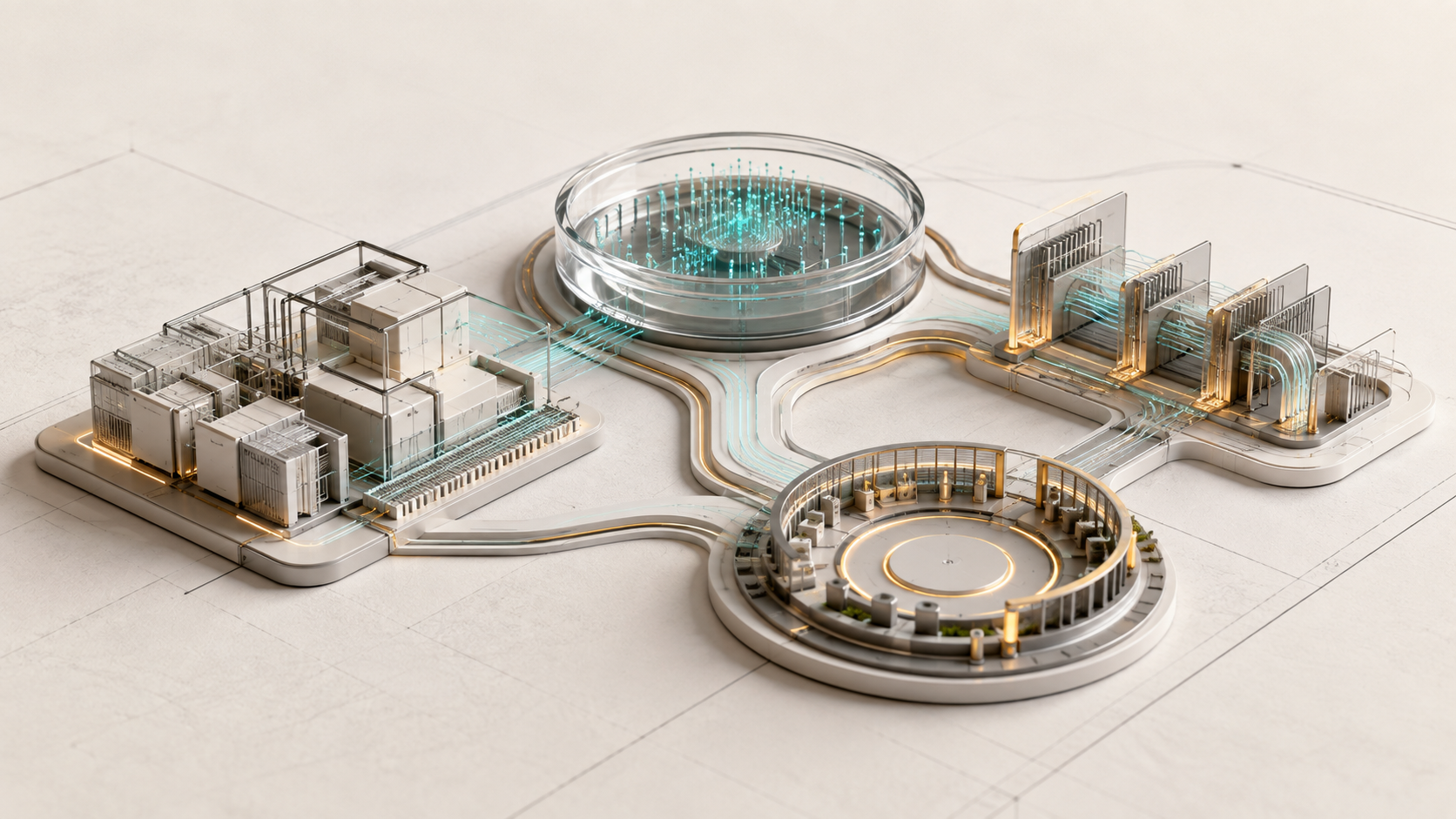
Two areas, one result
Infrastructure and security services can be implemented separately, but deliver the greatest value when they share architecture, consistent data, and common response and recovery processes.
Infrastructure and operations
A reliable foundation for users, apps, data, and distributed sites.
Cybersecurity
Access, vulnerability, threat, and critical data protection across the IT environment.
Cybersecurity built into the architecture
We build security around critical assets, data, and business processes, covering access and vulnerability management, attack detection, response, and recovery.

Network security and control
Segmentation, connection control, and containment of threats.

Vulnerability management
Identify, prioritize, remediate, and retest vulnerabilities.

Identity and access management
Account, permission, and privileged access control.

DATA AND APPLICATION SECURITY
Data loss prevention and application, database, and cloud protection.

Threat management and response
Attack detection, event correlation, and managed incident handling.
Cybersecurity built into the architecture
We build security around critical assets, data, and business processes, covering access and vulnerability management, attack detection, response, and recovery.
Network security and control
Segmentation, connection control, and containment of threats.
Vulnerability management
Identify, prioritize, remediate, and retest vulnerabilities.
Identity and access management
Account, permission, and privileged access control.
DATA AND APPLICATION SECURITY
Data loss prevention and application, database, and cloud protection.
Threat management and response
Attack detection, event correlation, and managed incident handling.
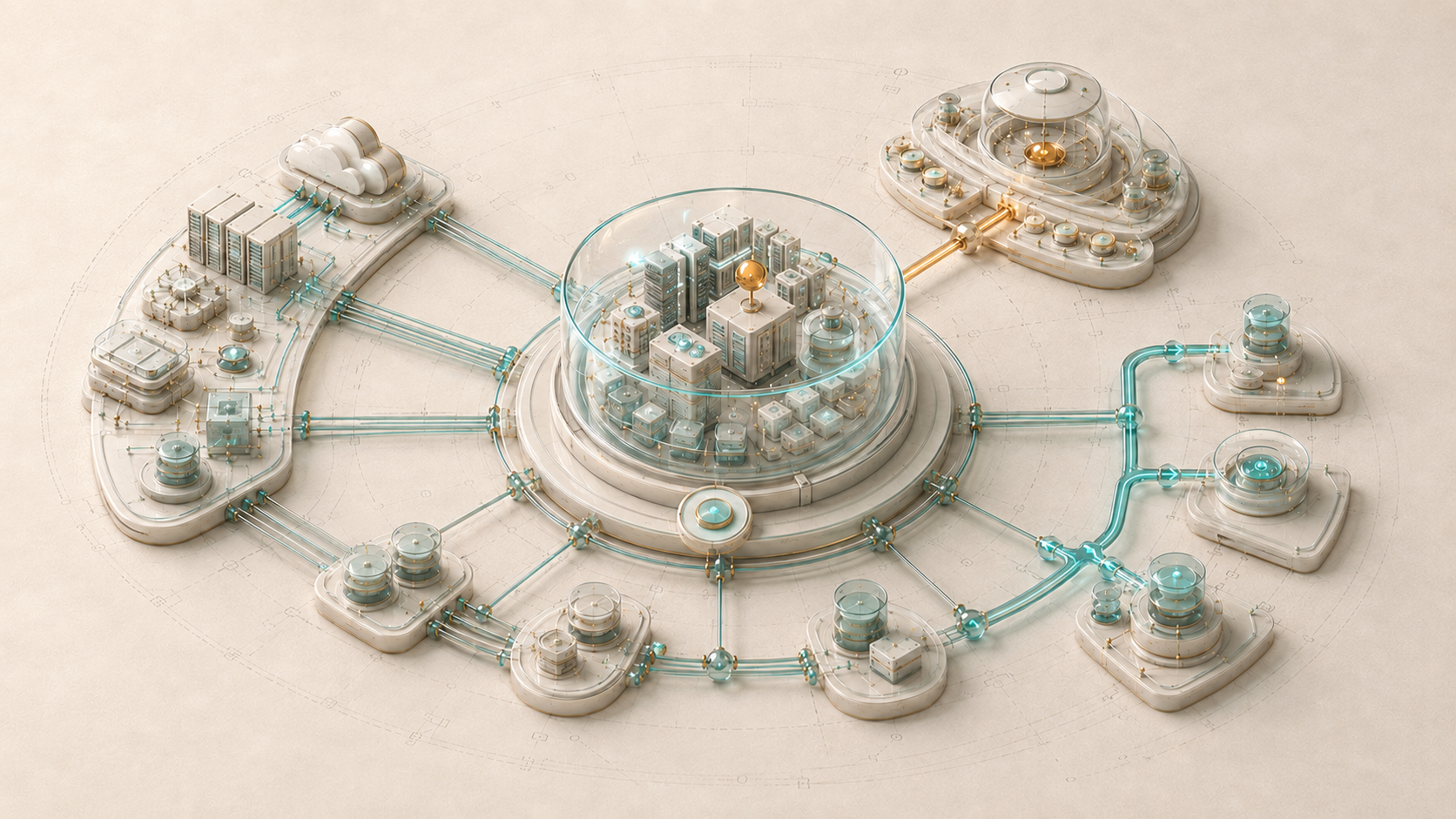
Shared context for infrastructure and security
Infrastructure health and security events share a unified view. Signals link to assets, owners, dependencies, and business criticality.
- shared asset and service context;
- shared monitoring and security data;
- prioritize by business impact;
- coordinated response playbooks.
Shared context for infrastructure and security
Infrastructure health and security events share a unified view. Signals link to assets, owners, dependencies, and business criticality.
- shared asset and service context;
- shared monitoring and security data;
- prioritize by business impact;
- coordinated response playbooks.
Response connected to recovery
Detection is followed by impact assessment and action: assigning an owner, isolating systems, failing over, or restoring data.
- identify the cause and scope;
- contain incident propagation;
- restore service availability;
- update rules after incident review.
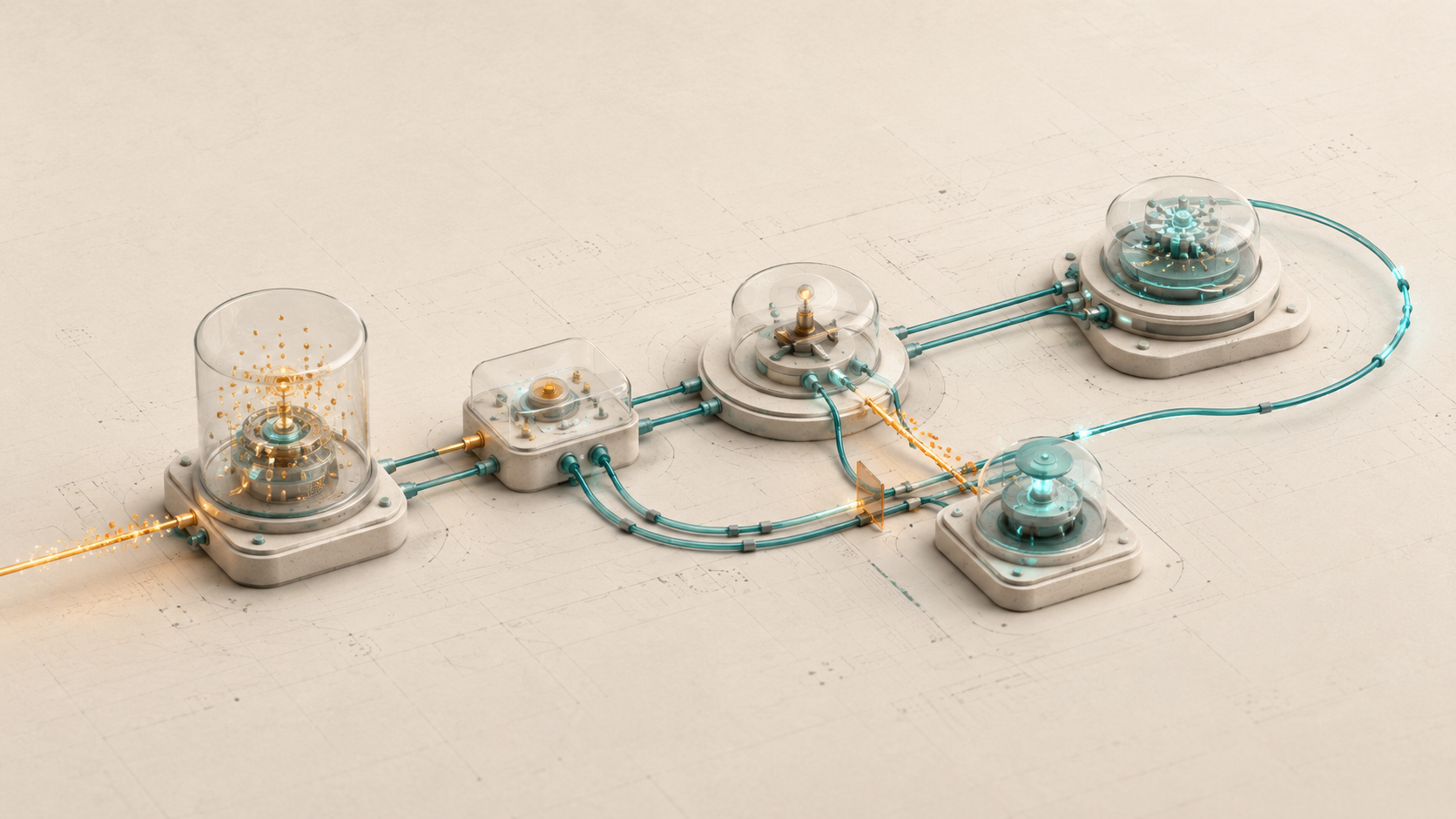
Response connected to recovery
Detection is followed by impact assessment and action: assigning an owner, isolating systems, failing over, or restoring data.
- identify the cause and scope;
- contain incident propagation;
- restore service availability;
- update rules after incident review.
Phased IT environment development
From basic visibility to resilient operations
We build a manageable IT environment step by step, from asset inventory and prioritization to process automation, support, and continuous improvement. The scope and depth of each stage depend on system criticality and the maturity of the current infrastructure.
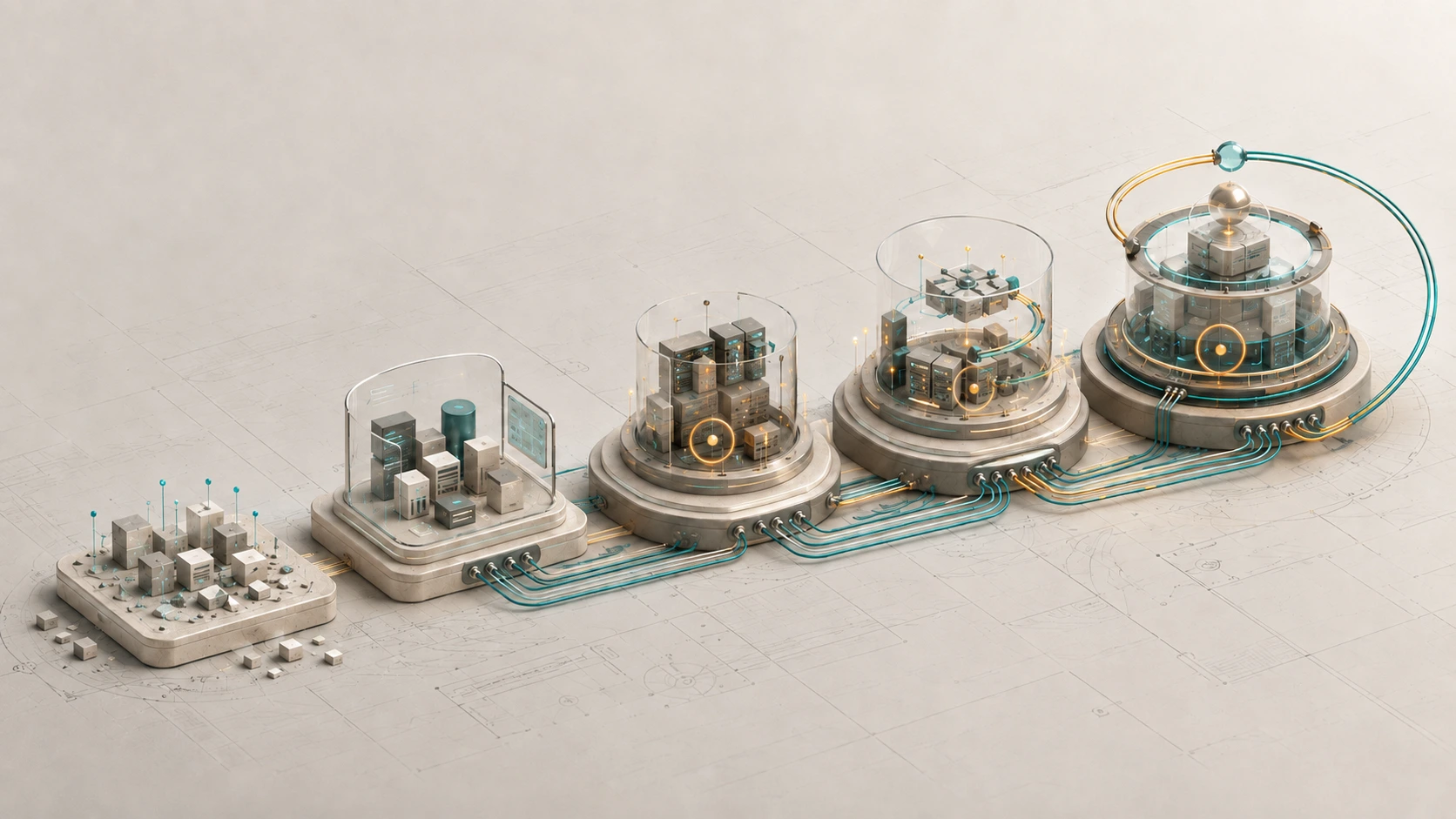
Implementation sequence
Assessment and inventory
We document assets, dependencies, existing management and security tools, constraints, and risk areas.
Outcome: a map of the current state and a gap analysis.
Target architecture and priorities
We identify critical services, availability and protection requirements, target processes, and change priorities.
Outcome: a target operating model and roadmap.
Baseline protection and observability
We establish visibility, redundancy, basic access policies, segmentation, and critical node monitoring.
Outcome: a measurable minimum viable scope.
Integration and automation
We connect data sources, event correlation, workflows, notifications, and standard response playbooks.
Outcome: fewer manual steps and faster event processing.
Operations and development
We track metrics, test recovery, review risks, and refine rules. Managed monitoring services can be added when needed.
Outcome: a sustainable cycle of operations and continuous improvement.
Phased IT environment development
From basic visibility to resilient operations
We build a manageable IT environment step by step, from asset inventory and prioritization to process automation, support, and continuous improvement. The scope and depth of each stage depend on system criticality and the maturity of the current infrastructure.
Implementation sequence
Assessment and inventory
We document assets, dependencies, existing management and security tools, constraints, and risk areas.
Outcome: a map of the current state and a gap analysis.
Target architecture and priorities
We identify critical services, availability and protection requirements, target processes, and change priorities.
Outcome: a target operating model and roadmap.
Baseline protection and observability
We establish visibility, redundancy, basic access policies, segmentation, and critical node monitoring.
Outcome: a measurable minimum viable scope.
Integration and automation
We connect data sources, event correlation, workflows, notifications, and standard response playbooks.
Outcome: fewer manual steps and faster event processing.
Operations and development
We track metrics, test recovery, review risks, and refine rules. Managed monitoring services can be added when needed.
Outcome: a sustainable cycle of operations and continuous improvement.
International practices as the basis for solution design
We use recognized practices to guide architecture, processes, and controls. Specific requirements reflect the customer's needs and regulatory context. Applying these practices does not automatically certify a company or system.
IT service management: ITIL 4, ISO/IEC 20000-1.
Continuity and recovery: ISO 22301:2019, ISO/IEC 27031:2025.
Information security management: ISO/IEC 27001:2022, NIST CSF 2.0, CIS Controls v8.1.
Threats and application security: MITRE ATT&CK, OWASP Top 10:2025, OWASP ASVS 5.0.
International practices as the basis for solution design
We use recognized practices to guide architecture, processes, and controls. Specific requirements reflect the customer's needs and regulatory context. Applying these practices does not automatically certify a company or system.
IT service management: ITIL 4, ISO/IEC 20000-1.
Continuity and recovery: ISO 22301:2019, ISO/IEC 27031:2025.
Information security management: ISO/IEC 27001:2022, NIST CSF 2.0, CIS Controls v8.1.
Threats and application security: MITRE ATT&CK, OWASP Top 10:2025, OWASP ASVS 5.0.
What to know before starting a project
Answers to key questions about infrastructure assessment, implementation scope, retaining existing systems, project deliverables, and ongoing IT support.
With an assessment of the current state: assets, critical business services, dependencies, existing management and security tools, incidents, and constraints. The findings form a prioritized change plan.
No. We first assess which solutions can be retained, integrated, or reconfigured. Replacement is proposed only where the existing technology cannot meet requirements, creates unacceptable risk, or hinders management.
Yes. A project can begin with monitoring, backups, IAM, vulnerability management, or another priority area. The target architecture still accommodates the future development of the overall environment.
Based on asset criticality, availability and recovery requirements, the threat model, industry constraints, and process maturity. Different systems may require different levels of control.
Deliverables depend on the project stage and may include an asset and dependency map, a gap report, target architecture, design decisions, procedures, responsibility matrices, response playbooks, recovery plans, and a roadmap.
Yes. After implementation, we can provide infrastructure support, backup monitoring, event handling, and managed security monitoring within an agreed scope and escalation framework.
Through agreed metrics: monitoring coverage, detection and recovery time, backup and recovery test success, the share of critical vulnerabilities remediated, event handling deadlines, and service availability.
What to know before starting a project
Answers to key questions about infrastructure assessment, implementation scope, retaining existing systems, project deliverables, and ongoing IT support.
With an assessment of the current state: assets, critical business services, dependencies, existing management and security tools, incidents, and constraints. The findings form a prioritized change plan.
No. We first assess which solutions can be retained, integrated, or reconfigured. Replacement is proposed only where the existing technology cannot meet requirements, creates unacceptable risk, or hinders management.
Yes. A project can begin with monitoring, backups, IAM, vulnerability management, or another priority area. The target architecture still accommodates the future development of the overall environment.
Based on asset criticality, availability and recovery requirements, the threat model, industry constraints, and process maturity. Different systems may require different levels of control.
Deliverables depend on the project stage and may include an asset and dependency map, a gap report, target architecture, design decisions, procedures, responsibility matrices, response playbooks, recovery plans, and a roadmap.
Yes. After implementation, we can provide infrastructure support, backup monitoring, event handling, and managed security monitoring within an agreed scope and escalation framework.
Through agreed metrics: monitoring coverage, detection and recovery time, backup and recovery test success, the share of critical vulnerabilities remediated, event handling deadlines, and service availability.